Navigating Gas Detector Standards: Combustible, Toxic, and Safety Compliance – Part 3
23 Feb 2026
Distinguishing Hazardous vs. Non-Hazardous Installation Environments
Selecting the right certification path for a gas detector begins with one critical question: Will the device be installed in a hazardous (classified) location or a general-purpose environment? The answer determines not only which standards apply but also the depth of environmental, electrical, and safety testing required for certification.
Understanding Hazardous vs. Non-Hazardous Locations
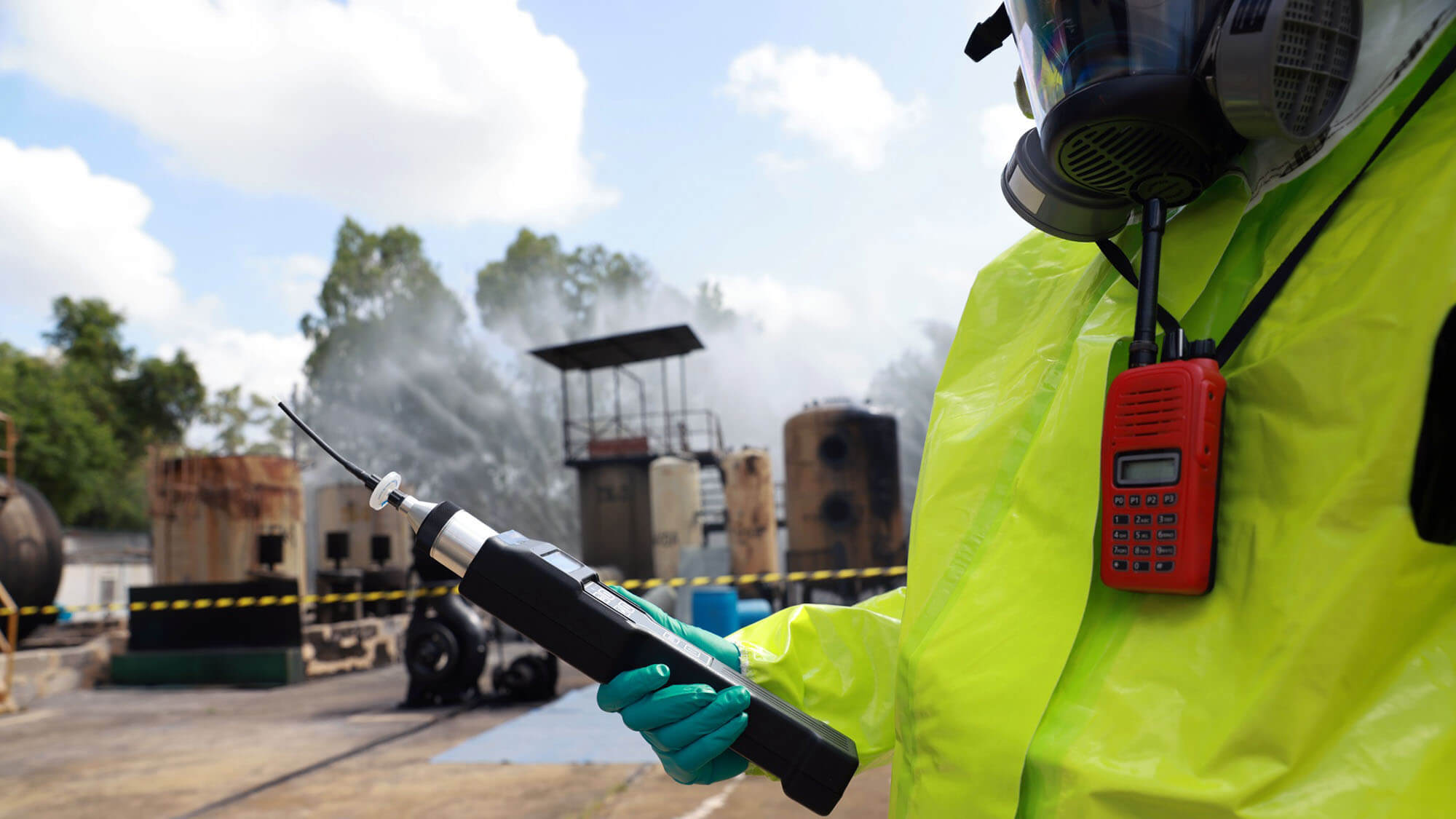
A hazardous location is an area where flammable gases, vapors, or dusts may be present in sufficient quantities to create an explosion or fire risk. Examples include chemical plants, oil refineries, and certain manufacturing facilities. Equipment installed in these areas must be rigorously tested to ensure it will not ignite the surrounding atmosphere.
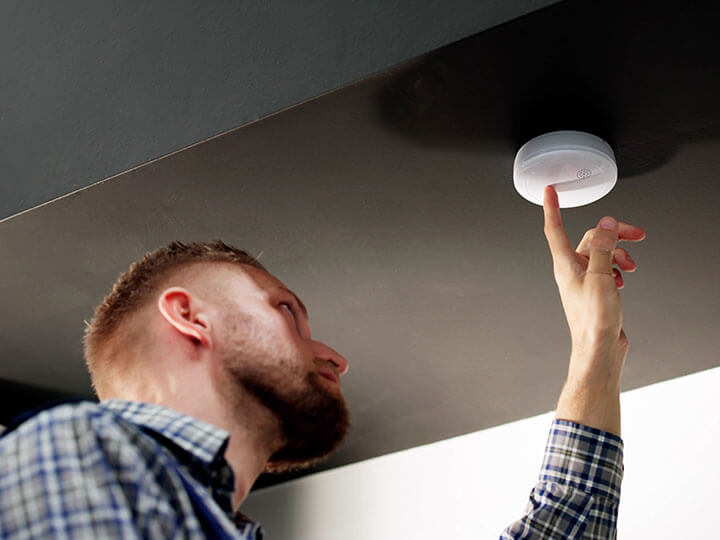
In contrast, a non-hazardous (general-purpose) location refers to environments where explosive atmospheres are not expected under normal operating conditions. These include residential buildings, commercial spaces, and light industrial settings. Gas detectors used here focus on performance and reliability without the added burden of explosion-proof certification.
Hazardous Location Requirements
Gas detectors installed in explosive atmospheres must meet strict standards such as:
- IEC/EN/CSA/UL 60079-29-1 – Performance requirements for flammable gas detectors
- IEC/EN/CSA/UL 60079-0 – General requirements for hazardous location equipment
These standards require comprehensive testing for explosion protection, temperature classification, ingress protection, material suitability, and long-term environmental robustness.
Non-Hazardous (General-Purpose) Installations
Gas detectors intended for non-hazardous environments follow different compliance routes, focusing on safety and usability in everyday settings. Relevant standards include:
- IEC/EN/CSA/UL 62990-1
- IEC TS 63542 (Flammable refrigerants)
- UL 2075
- ULC S588
- EN 50402-1
These standards apply to detectors used in residential, commercial, and light industrial spaces, without requiring hazardous location evaluations.
North American Compliance Paths
In North America, the distinction between hazardous and non-hazardous applications is especially important due to overlapping standards.
- Combustible Gas Detectors
- Hazardous locations: CSA/UL 60079-29-1 and CSA/UL 60079-0, often with CSA/UL 61010-1 for electrical safety.
- Toxic Gas Detectors
- Non-hazardous locations: CSA/UL 61010-1 and CSA/UL 62990-1, or UL 2075 / ULC S588.
- Hazardous locations: Certification under IEC/EN/CSA/UL 62990-1 plus hazardous location standards.
Special Considerations for Hydrogen and Refrigerant Gas Detectors
Some gas types introduce unique safety challenges and therefore follow specialized compliance pathways.
Hydrogen Gas Detectors
Hydrogen has an extremely low Lower Explosive Limit (LEL) of 4% in air, often requiring detectors to be certified in the hazardous locations category. In Europe that means for hydrogen detectors in hazardous locations detectors have to be certified to EN 60079-0 and EN 60079-29-1, while detectors in non-hazardous locations must meet the requirements of EN 50402-1.
In North America hydrogen gas detectors located non-hazardous must meet the certification requirements of UL 2075 / ULC S588. However, it is important to note that this comes with limited applications due to LEL concerns.
Flammable Refrigerant (R290/Propane) Detectors
Refrigerant detectors, especially for R290 (propane) in HVAC/R applications, fall under a distinct regulatory structure since they form part of the functional safety system of the equipment. Applicable standards for flammable refrigerant detectors include CSA/UL 60335-1 for general appliance safety and CSA/UL 60335-2-40 for HVAC/R equipment safety which historically included Annex LL requirements but is now aligned with IEC TS 63542 for detector-specific performance criteria.
These standards reflect the unique installation conditions of refrigerant systems, which differ from traditional industrial combustible gas detection environments. Of note, in the evaluation of the detector additional standards will be used to determine that the firmware and software align with functional safety requirements found in a number of applicable standards as outlined by the principles in IEC 61508-1.
Conclusion
Understanding the intended installation environment, hazardous vs. non-hazardous, is the cornerstone of selecting the correct certification pathway for gas detection equipment. With evolving standards and distinct requirements for specific gases like hydrogen and flammable refrigerants, manufacturers and specifiers must carefully examine the applicable standards to ensure they will meet the necessary requirements in the design and, ultimately, in the certification of the detector.

You may be interested in...
Alarms & Detectors
We specialize in providing end-to-end solutions for alarms, detection devices, and other critical electrical safety equipment ensuring they meet the highest standards of performance, reliability, and compliance.