
Wildfire Testing Is Not One Test
21 Aug 2026
Why Roofs, Walls, Decks, Vents, and Exterior Assemblies Require Different Test Methods
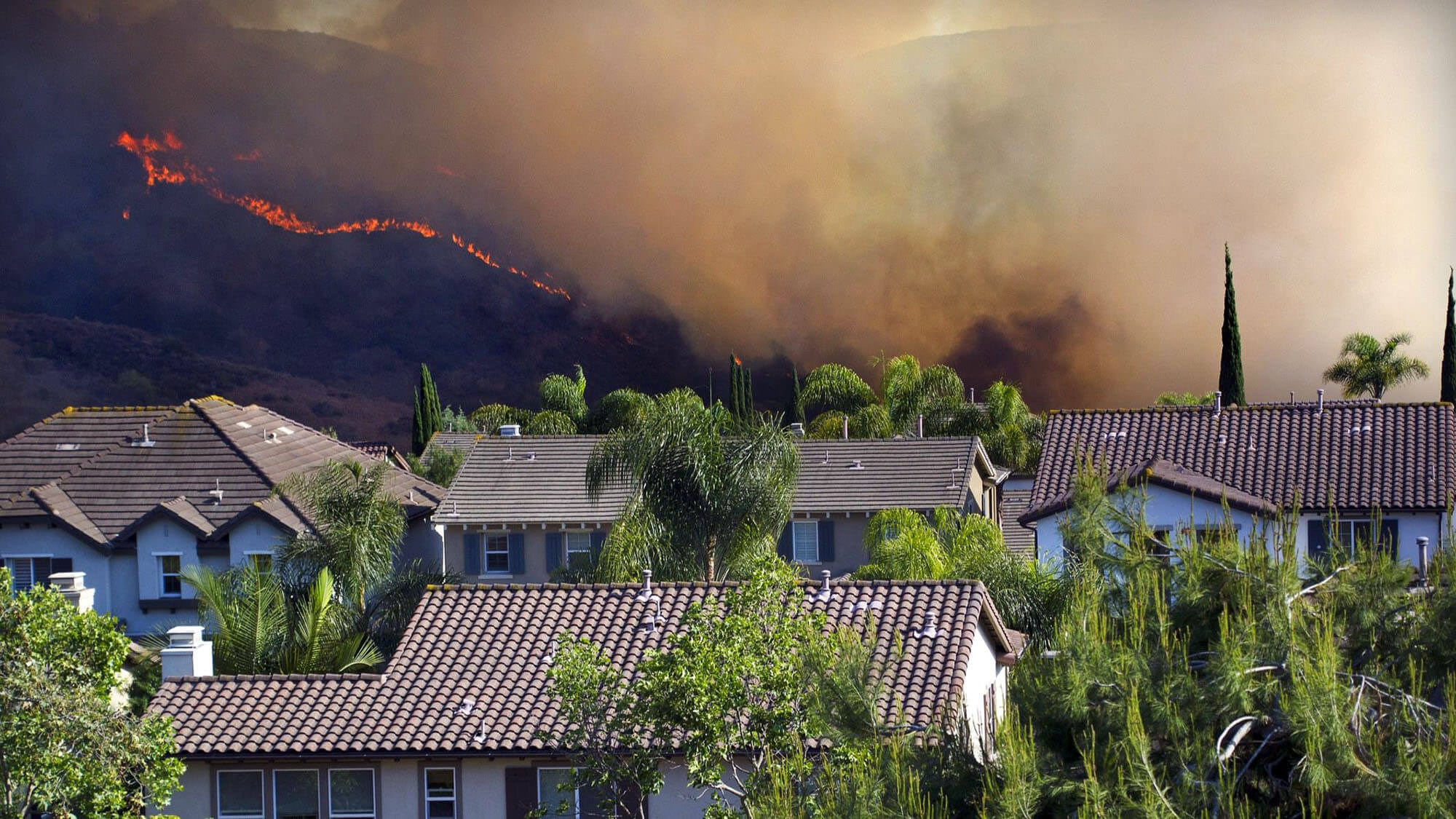
A manufacturer developing an exterior building product may intend for it to be used in an area where wildfire-related building requirements apply. Depending on the product, how it will be installed and the applicable code, testing may be needed to demonstrate that the product or assembly meets specific fire-performance requirements. Wildfire/Wildland-Urban Interface (WUI) testing is not intended to subject components or assemblies to the severe intensity found at the heart of a wildfire. Instead it evaluates how products limit the spread of flame from particular exposures so that smaller exterior fires do not become much larger fires, promoting wildfire growth.
There is no single wildfire test that applies to every exterior building product. Roof coverings, exterior walls, decks, vents and other components serve different functions and can face different fire exposures. Codes and standards account for those differences through separate test methods and performance criteria.
Start With the Product, Not the Test Name
A code, project specification or competitor’s listing may point a manufacturer toward a particular standard. Before testing begins, the laboratory still needs to understand how the product will be configured and used.
For roofing, that may include the deck, underlayment, fastening, slope, coatings and other components in the system. Exterior wall testing may involve cladding, sheathing, substrates, joints, fasteners and backing materials.
Those details help define the construction being evaluated and what the resulting test report represents. If the product will be offered in several configurations, identifying those variations early can also help manufacturers plan the testing program. This can also help determine whether a product test plan and evaluation report may be developed instead of conducting multiple tests for every possible configuration.
Roof Testing Addresses Exterior Fire Exposure
ASTM E108/UL 790 evaluates roof coverings under defined exterior fire exposures accompanied by wind. Depending on the classification and intended roof deck combustibility, testing may include spread-of-flame, intermittent-flame, and burning-brand exposures.
The method provides repeatable conditions for evaluating roof coverings and assemblies. It is important to note, however, that the test does not recreate every combination of wind, fuel, fire intensity, and duration that could occur during an actual wildfire.
The tested roof configuration therefore matters. Changes to the substrate, underlayment, insulation, fastening, coating or other components may affect the construction represented by the result.
Exterior Wall Testing Focuses on the Assembly
California SFM 12-7A-1 addresses the resistance of exterior wall siding and sheathing to fire penetration from an exterior fire exposure.
The method evaluates a representative wall assembly rather than an isolated piece of cladding. Sheathing, substrates, joints, fastening systems, and other materials can be part of the construction submitted for testing.
If a manufacturer wants to offer the same exterior product over several substrates or with different installation details, those configurations need to be considered when determining what the original test result covers.
Decking Is Tested Under Different Conditions
Decking faces a different type of exterior fire exposure. Under California SFM 12-7A-4, exterior deck boards are tested with an under-deck flame exposure and a burning brand placed on the walking surface. The method includes performance criteria related to structural failure, flaming material fallout, and continued combustion.
Those conditions differ from the exposures used for roof coverings or exterior walls. Cap width, material thickness, coatings, fasteners and other construction details may also be part of the tested configuration.
Horizontal Projections Follow Another Path
Wildfire-related requirements also extend to components such as roof eaves, floor/horizontal projections and exposed underfloor areas.
California SFM 12-7A-3 evaluates horizontal projection assemblies under direct flame exposure and includes criteria related to flame penetration, structural failure and continued combustion.
A soffit or eave product may follow a different testing path from a wall product on the same building. Its location, function and intended installation help determine which method applies.
Product Changes Need to Be Considered Carefully
Testing often takes place while a product is still evolving.
A manufacturer may later change a coating, fastener, substrate, thickness, joint detail, or backing material. Some changes may fall within the scope of an existing result, while others may require technical review or additional testing.
Discussing proposed changes with the laboratory before they are incorporated into production can help manufacturers understand how those decisions may affect an existing report, listing, or certification.
Questions to Answer Before Testing
Before testing begins, manufacturers should define:
- Product category and intended application
- Complete assembly to be evaluated
- Substrates, fasteners, joints, coatings and other relevant components
- Applicable code, listing or certification requirements
- Product variations that may need to be represented
- Markets or jurisdictions where the product will be sold
- Anticipated material or assembly changes
These details help determine the applicable test method, how specimens should be constructed and what product configurations the resulting data will represent.
Understand What the Test Result Covers
A passing result documents how a specific product or assembly performed under the conditions defined by a particular test method.
It does not mean a product is wildfire-proof, nor does it automatically apply to every installation, product variation or possible fire exposure.
Manufacturers need to understand that scope when using results for certification, listings, specifications, product development or technical literature. The question is not only whether the product passed, but also what was tested, how it was assembled and which product configurations the result represents.
Planning Wildfire Testing Around the Product
Wildfire testing starts with understanding the product, its intended installation and the requirements that apply where it will be used. Matching those details to the appropriate test method can help manufacturers develop a testing program that reflects the product they intend to bring to market.
Intertek provides fire testing and certification services for exterior building products and assemblies, including ASTM E108 roof testing and California SFM 12-7A methods for exterior walls, horizontal projections, decking and other components.

You may be interested in...
Fire Testing | Fire Safety and Certification
Complete suite of fire and flammability testing solutions to ensure your products comply with your local, regional, or national building codes.